February 2011
Monthly Archive

Monthly Archive
Posted by Celia Clark on Feb 20, 2011 at 11:43 am
Tagged as: Environmental issues
I (Celia) have just returned from a fascinating ten day trip to Florida and Nicaragua with Pete (my husband). Because we packed so much into those ten days it seemed more like a three week trip. The first contrast of course was the temperature (minus 20° C in Toronto and plus 30°C in Nicaragua).
After visiting some dear friends in Sarasota, we headed off to Nicaragua. The airport in Managua was well organized and we were whisked off in a shuttle to our hotel for the first night even though it was less than a five minute walk! After a refreshing pina colada by the pool, we slept well and met our shuttle driver for the two hour drive to San Juan del Sur. We were saddened by the extremely poor living conditions that we saw as left Managua and I could not help thinking that Haiti was like that BEFORE the earthquake. Nicaragua is the second poorest country in the western hemisphere, but in much better shape than Haiti. The average Nicaraguan earns around $2.00 a day.
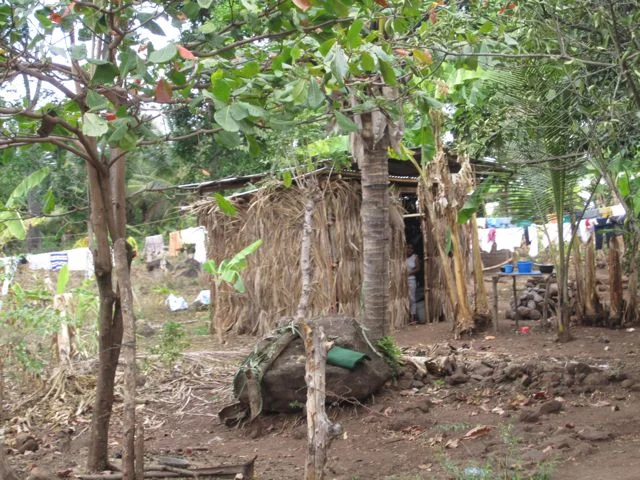
A Nicaraguan house
On arrival in San Juan del Sur we were welcomed by the hotel manager and set out to explore the small fishing town – we watched the sun go down as we enjoyed a delicious fish dinner in a restaurant on the beach (amazingly ALL hotels and restaurants offer free internet access).
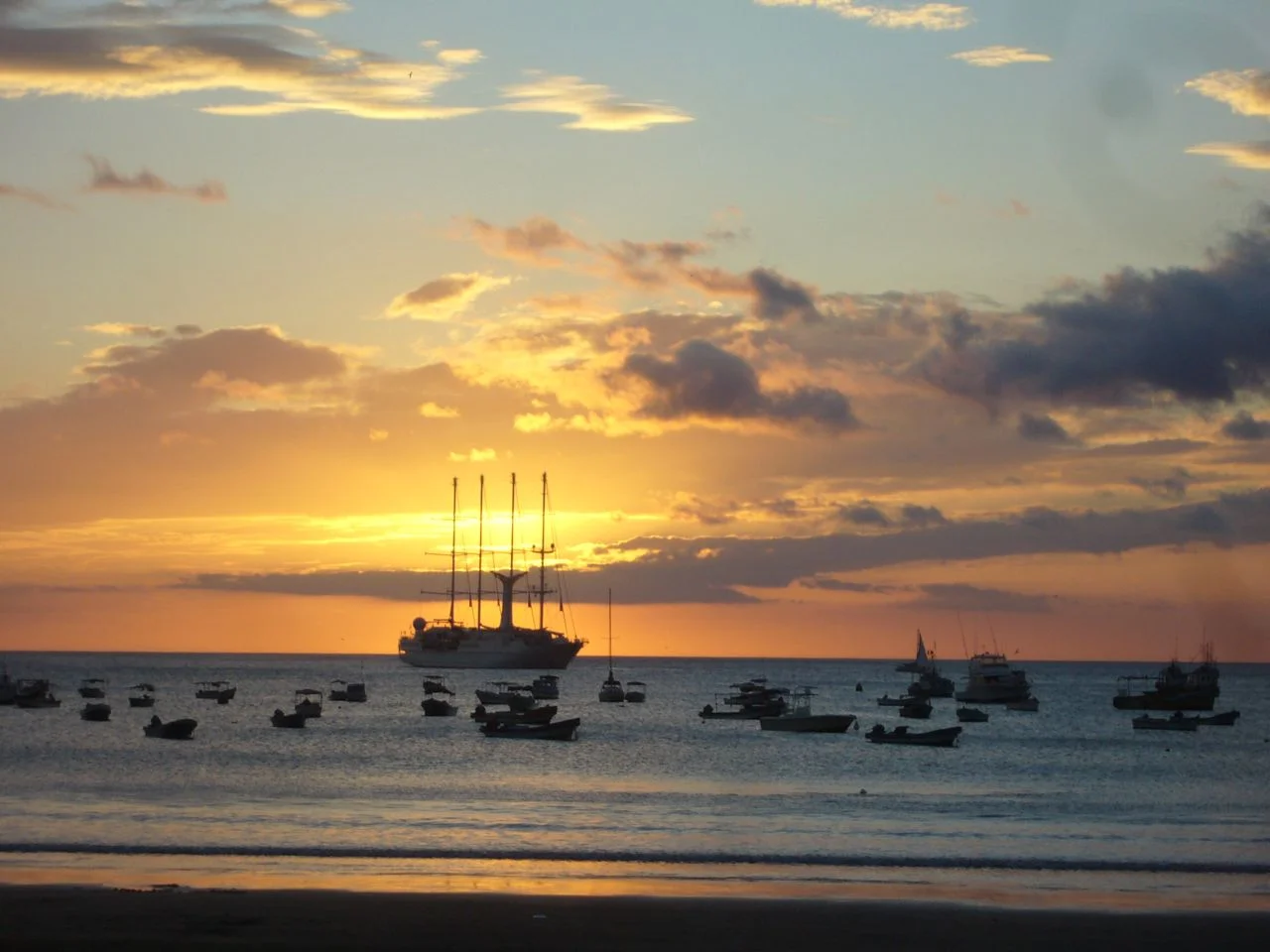
Sunset in San Juan del Sur
One of our reasons for visiting Nicaragua was to take school supplies for the small village of El Carizal where our local Rotary club is supporting a local jam making cooperative. Our first meeting was with our club champion , Richard, who has bought land down there, and Lori, a local American volunteer who is helping to coordinate the project. As Lori works as the concierge at Pelican Eyes, a local resort., we decided to eat lunch there – hardly the luxury setting we were expecting!
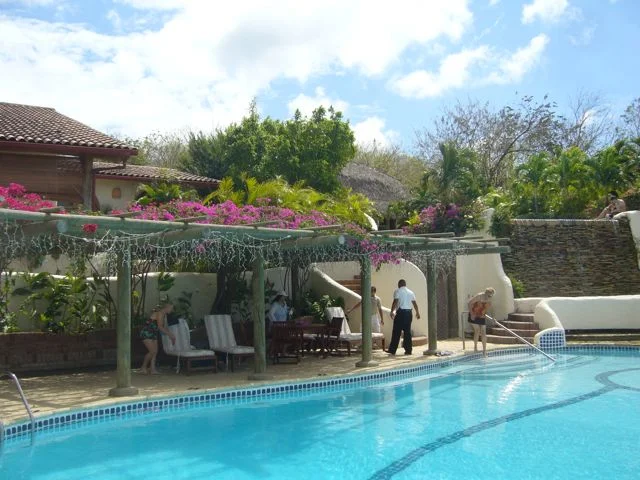
Pelican Eyes Resort
The next day we met with the English teacher to deliver the school supplies, then took a taxi to the small village where we were supposed to meet up with our colleagues – unfortunately we missed them and were stuck there with no transport and no cell phone that worked in Nicaragua! What do do? So, in the searing heat we set out to walk to the beach where the last Survivor series had been shot (we understood there was now a small restaurant there and assumed they would have a phone to call a taxi). Several Nicaraguans seemed concerned about the folly of this venture (with our poor Spanish we understood it was only one kilometer to the beach – in fact we think it was more like four kilometers). We splashed through several stream crossings (very refreshing), heard howler monkeys (which we could identify from the video in The Digital Field Trip to The Rainforest ) and finally, exhausted and extremely hot, arrived at this beautiful beach, only to learn that we were probably the only gringos to have walked that route without being robbed!
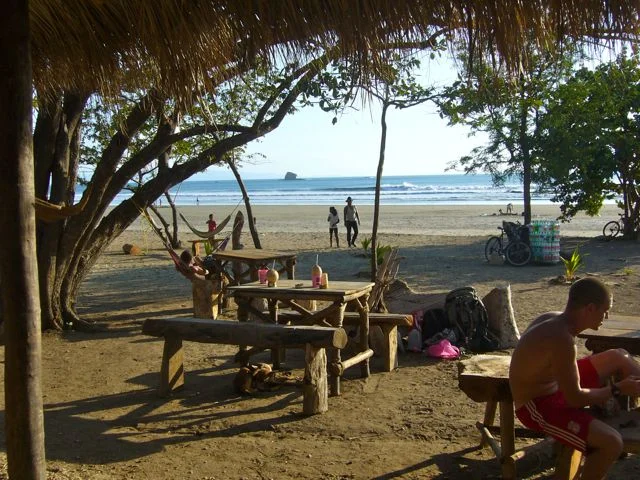
Playa Hermosa aka Survivor beach
The next day, we spent time with the children using some of the school supplies we had taken. We learned that making name plates with foam letters on a windy day in a Nicaraguan school is somewhat challenging!
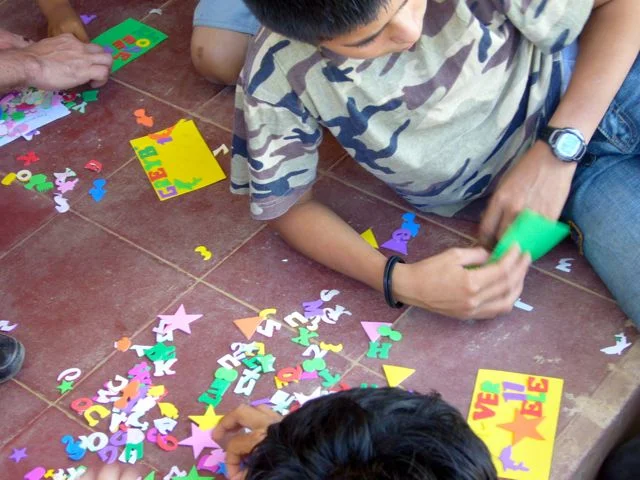
School in El Carizal
On our return to Miami, we ran a workshop for teachers on digital vs. real dissection – what a contrast to school in Nicaragua!
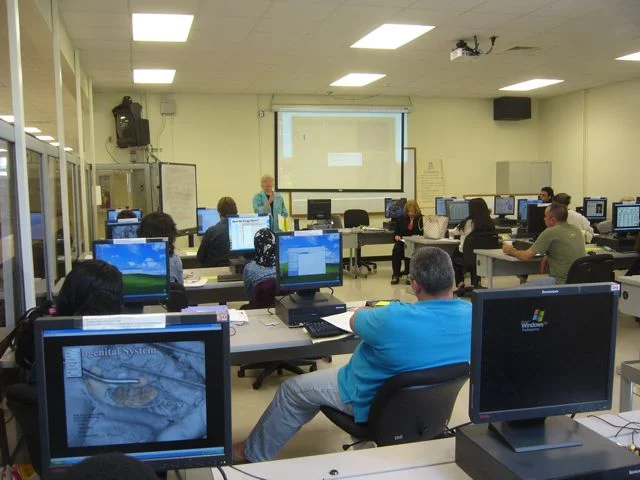
Miami workshop
One of the exercises that we did was to assign metrics to various importance factors such as cost, learning retention etc. then assign a score to Digital Dissection, Wet Lab Dissection and Using Both Digital and Wet Labs to teach anatomy and physiology. We fully expected that using both digital and wet labs would come out on top. Much to our amazement, the twenty seven teachers who attended the workshop concluded that, out of a possible score of 137, Digital Dissection scored 120, Wet Labs scored 65 and using both scored 98. YAY for Digital!
Posted by Celia Clark on Feb 10, 2011 at 01:17 pm
Tagged as: Digital Frog International
Well it is well past update time for Taddy the Tardy Tadpole! As you may remember Taddy came to live with us in September thanks to our granddaughter and her fishing net. Taddy has grown very large and his length has increased to 10.5 cm living on algae and pond fish food. He is comical to watch eat, he enjoys the food his goldfish friend is fed, the floating fish pellets for ponds (which is where they live in the warmer weather). Taddy grabs a pellet and looks like he is sucking it like a jaw breaker we all ate as kids. He pops it out of his mouth and then grabs it in again and sucks it. He will eat lettuce or spinach.We were getting very used to Taddy as a tadpole who was only getting fatter and longer and not becoming frog like in any way.He has a large round body and an extremely long tail.
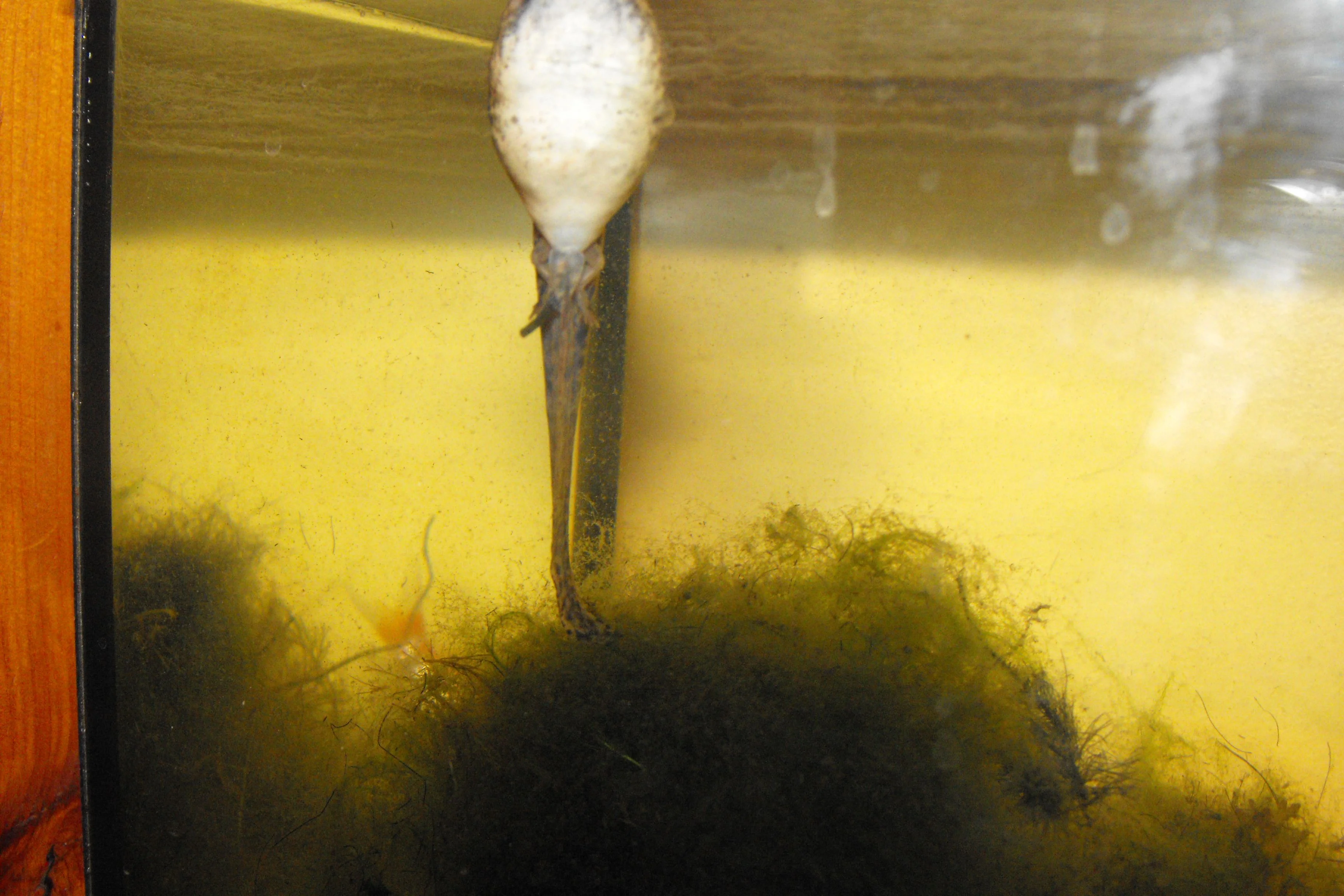
About a week ago we noticed tiny back legs on Taddy he is starting to change into the frog he will become.
My research shows that the next stage should take 9-12 weeks and I sure hope it is the later as we need the weather to warm up and snow to thaw before Taddy can be released.
Check out The Digital Frog‘s Ecology section to learn about the frogs life cycle or visit our website here and check out the related frog links.
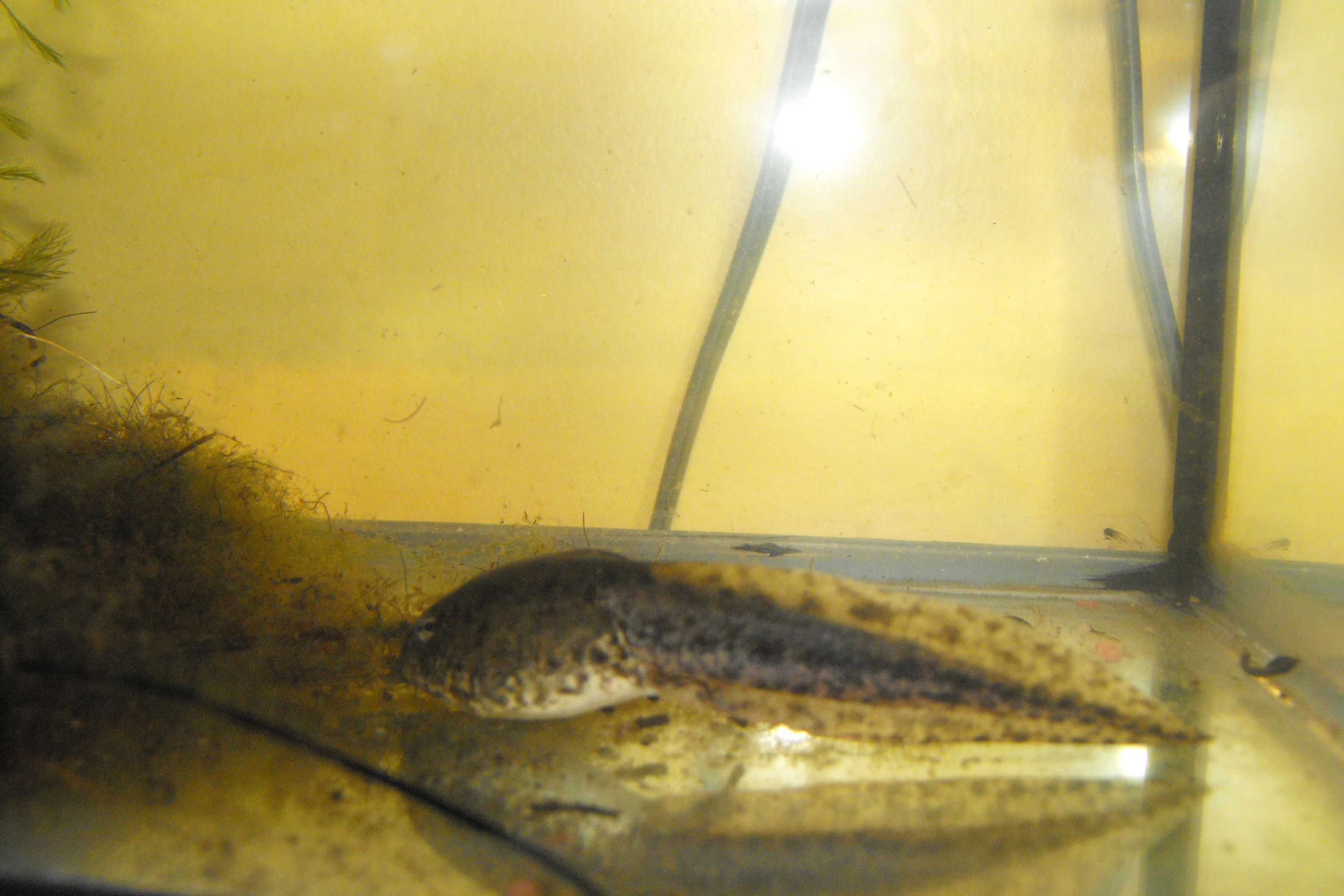
We have been thinking about the tank we may have to create to keep Taddy should the weather be too cold for survival when metamorphosis is complete. We need to provide a wet and dry environment for Taddy with some room to swim around. For now the aquarium with his friend Mr. Bo-jangles is just fine. I will let you know in a few weeks what is happening with Taddy so check back.